“Yahi hasrat thi ke ghar mera Madine men rahe
Bana Rangoon men, armaan mere seene men rahe.”
“This was my only desire, that my home remain in Madina
Yet in Rangoon, the yearning resides within my heart.”
Finally, found some time to write about the memories of my cherished days in Myanmar. Gratitude to my colleagues at MRTV for honoring my first wish upon arriving in Yangon, a direct drive from airport to the Shrine of the Last Mughal Emperor, Bahadur Shah Zafar.
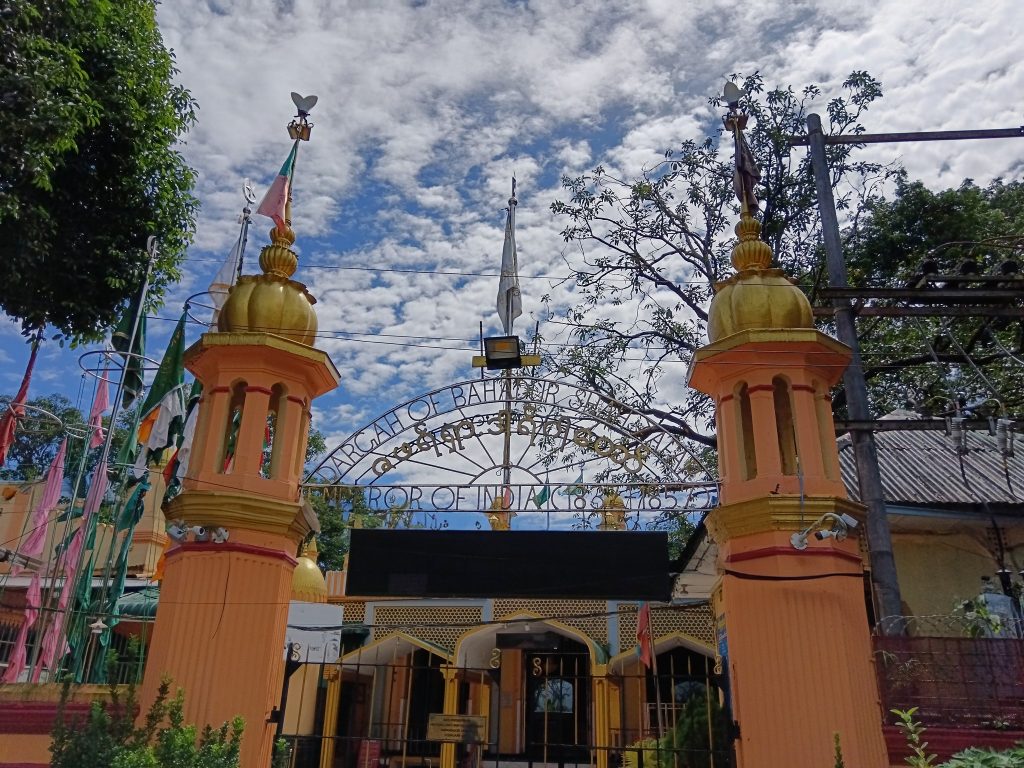
Bahadur Shah Zafar’s shrine near the Myanmar’s iconic monument, Shwedagon Pagoda, where he lived a life of misery, composing poetry on the walls with charcoal due to the British’s fear of him communicating with supporters in India.
Today, the shrine, now called Dargah, carries significant importance for the people of Myanmar, especially the Muslim community. They gather here to pay their respects to the late king and seek his blessings.
Not only a local attraction, but the shrine has also drawn the attention of governments, particularly those of Bangladesh, India, and Pakistan. Noteworthy political figures like former President Asif Ali Zardari, former Prime Minister Mian Nawaz Sharif, and former President Gen. (r) Pervez Musharraf are featured prominently in pictures at the shrine. These images, along with those of other Indian and Bangladeshi leaders, stand as a testament to the reverence the shrine holds in the hearts of people and leaders alike.

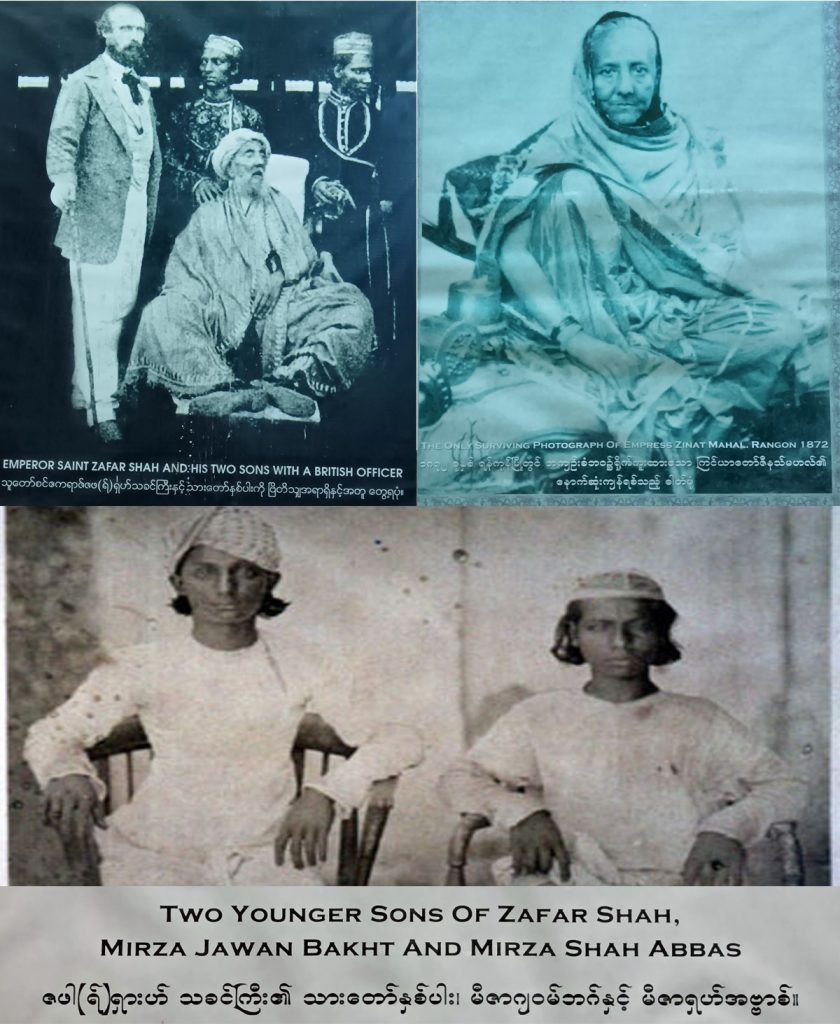
After being captured by the Britishers in 1858 . The last Mughal emperor was exiled to Rangoon. Captain Nelson Davis was the in charge of Rangoon at the time, took charge in Rangoon, arriving at the port where he welcomed the king and his followers. The idea to detain the king and his family in prison, however, Nelson felt uneasy about Bahadur Shah Zafar, who was both a king and a prisoner. With no suitable place to detain Bahadur Shah Zafar in Rangoon, Nelson came up with the ideato build his own garage. In an unconventional move, he evacuated Zil-e- Subhani, the Crown Prince of India, and confined the last descendant of Timurid blood, Bahadur Shah Zafar, in his newly constructed garage.
He remained there for four years, until his death on November 7, 1862.
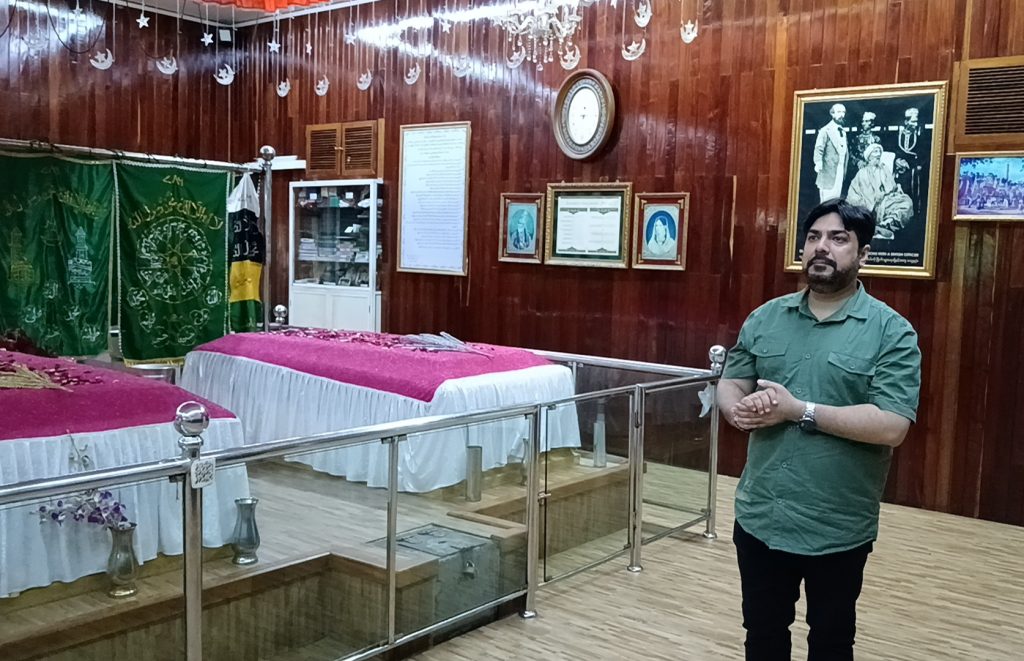
In the basement of Shrine lies the original grave of Bahadur Shah Zafar, now transformed into a decorated tomb.
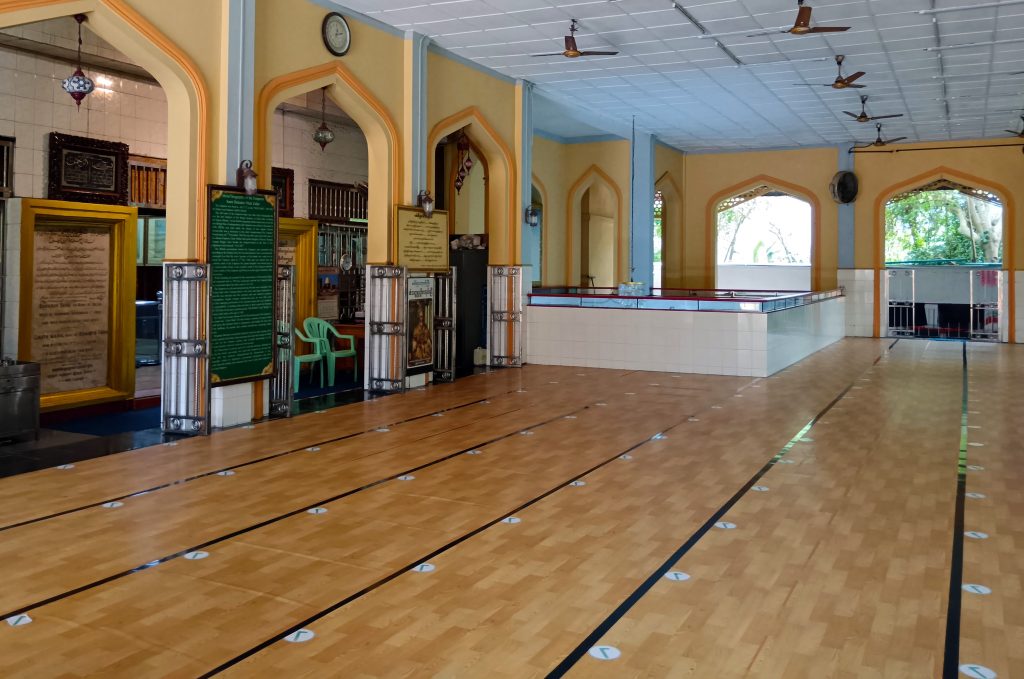
The dargah comprises two levels, featuring a prayer hall and a room with decorated tombs of Bahadur Shah Zafar, Zinat Mahal, and his granddaughter Raunaq Zamani. The room also houses rare photographs and poetry by the emperor.