According to a UNESCO–ICFJ global survey, nearly 73% of women journalists have faced online violence during their careers, and one in five have been physically attacked as a result of that abuse. In Asia-Pacific, these threats are magnified for those working in disaster zones, conflict areas, and politically sensitive environments, often with little or no gender-sensitive safety measures in their newsrooms.
Ahead of the AIBD–UNESCO IPDC Crisis Reporting for Women Journalists workshop in August 2025, I conducted a regional needs-assessment survey involving the women journalists from Brunei Darussalam, Indonesia, Malaysia, Timor-Leste and Philippines. The results were telling: 68% of respondents said their newsroom had no formal safety protocol for female reporters, 52% had experienced gender-based harassment in the field, and over 60% said they lacked training in digital safety or countering online abuse.
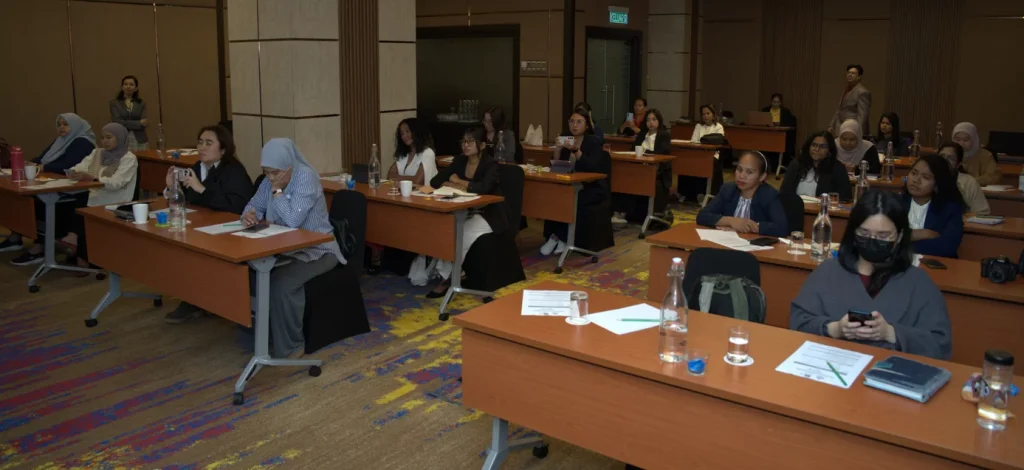
These findings shaped the AIBD training programme at ANCASA Hotel, Kuala Lumpur, where 21 participants from Malaysia, the Philippines, and Timor-Leste joined for an intensive four-day workshop.
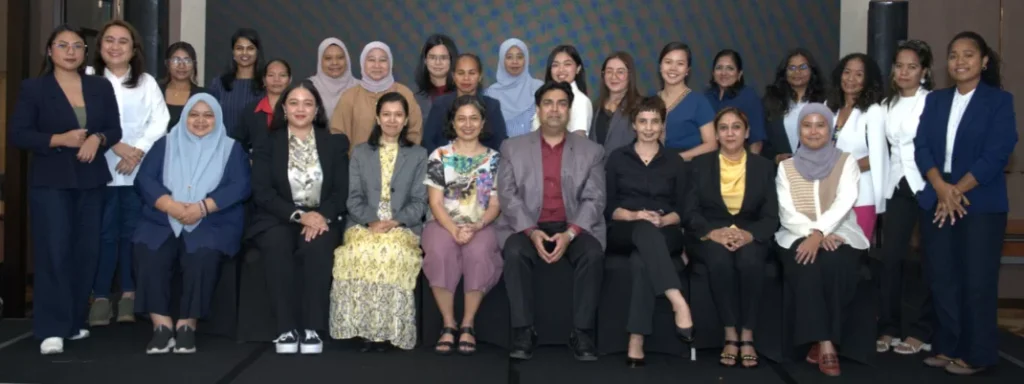
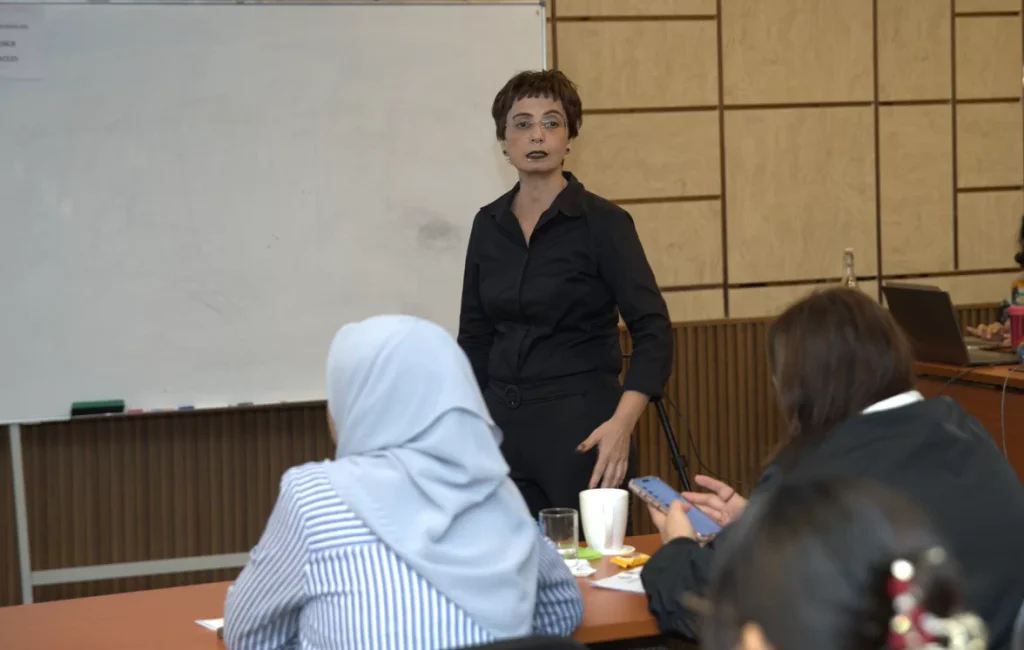
The programme was enriched by Ms. Sabin Agha’s field-tested insights on risk mapping and crisis communication, and Ms. Jackie Viemilawati’s deeply resonant mental wellness strategies for frontline reporters.
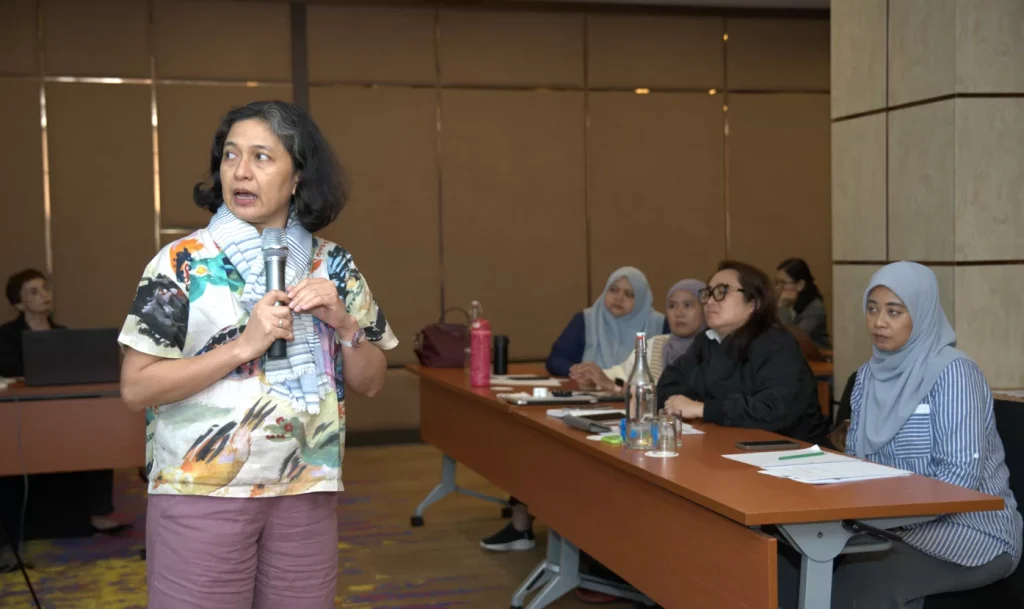
Apart from being leading the workshop as Senior Programme Manager from AIBD, I had a session focused on leveraging Artificial Intelligence for crisis communication. We explored AI tools that can predict natural hazards, assess their intensity, verify visuals, and help create newsroom-specific risk assessment plans. I also introduced AI-driven approaches for mental wellness, from digital self-check prompts to monitor stress levels to psychoanalysis-based journaling for emotional resilience before, during, and after assignments.
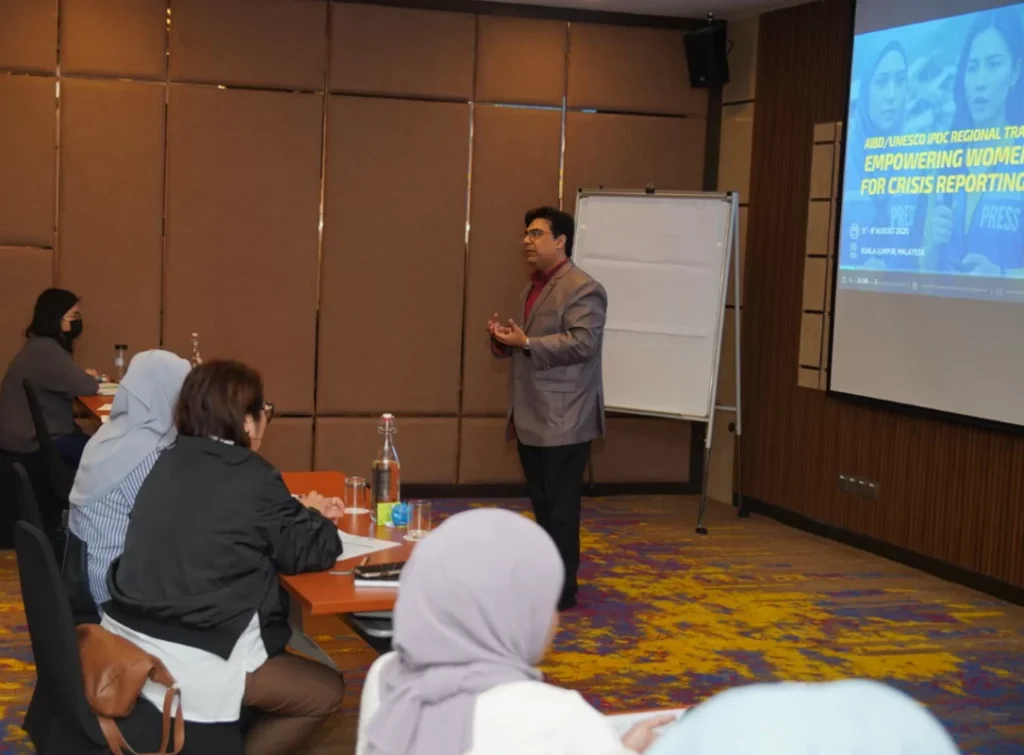
I’m grateful to UNESCO Jakarta under the IPDC programme for supporting this initiative, to my colleagues at AIBD for their tireless work, and to the remarkable women journalists who shared their courage and determination.
Safety shouldn’t be a privilege for journalists, it should be a right. And in times of crisis, protecting the messenger is the first step in protecting the message.


0 Comments