Advancing the Sustainable Development Goals through media requires more than good intentions.
It requires policy thinking, editorial discipline, development literacy, and a serious commitment to how stories are framed, distributed, and understood by the public.
Media has a powerful role in translating development priorities into public awareness. But that role becomes meaningful only when journalists, producers, editors, and broadcasters understand that human development stories are not isolated social issues.
They are connected to economy, politics, policy, governance, inequality, climate, health, education, gender, labour, and power.
That was one of the key messages I shared during my presentation at the CSO Meeting in Manila, and it continues to shape my view of development communication.
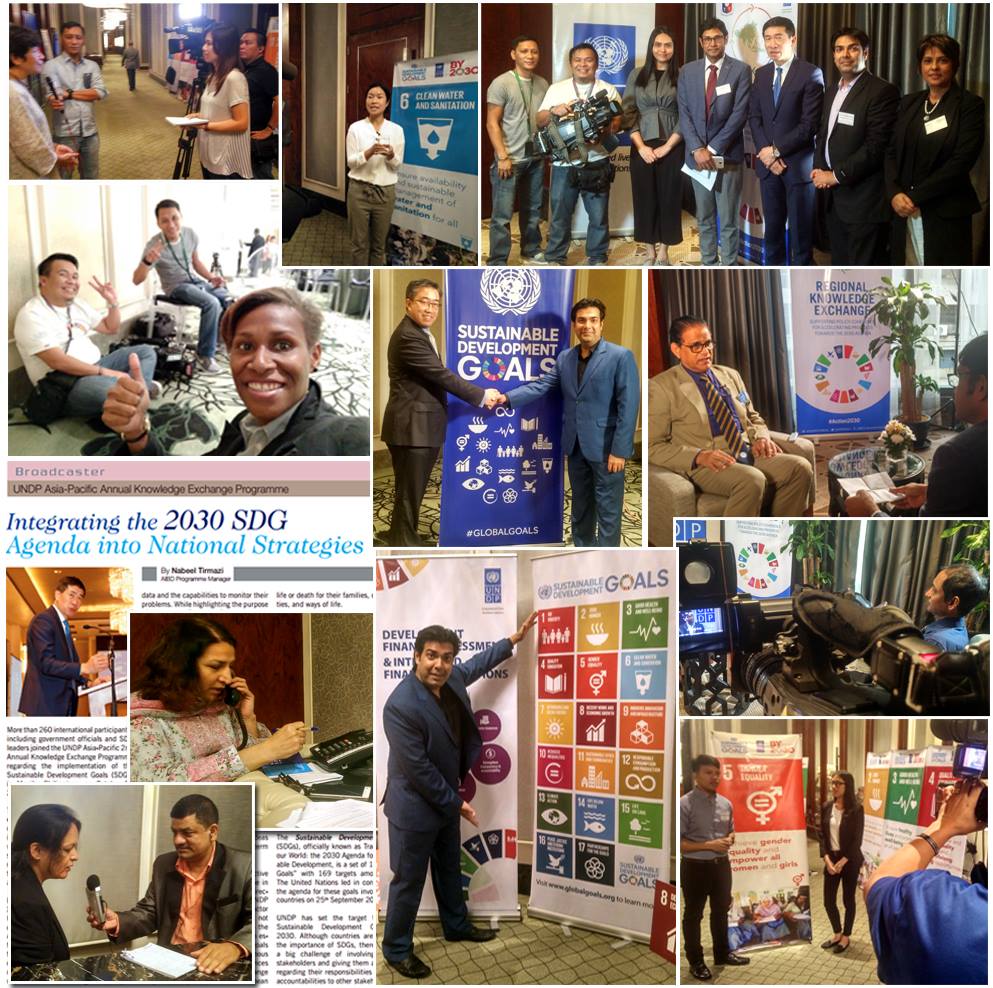
I was pleased to see this principle reflected in an international gathering of broadcasters that brought together participants from 10 countries, representing 11 state broadcasters. The project became more than a training activity. It became a practical demonstration of how media institutions can support SDG implementation through shared learning, professional collaboration, and public-interest storytelling.
I want to thank all participating broadcasters for making this first international project such a strong success. Their commitment, field experience, and ability to narrate their own national realities added real depth to the programme.
Each presentation and interview carried a different context, but a shared message was clear: media can help people understand development better when it connects policy with lived experience.
I also appreciate the team at Broadcaster magazine for publishing my article on the impact of media in pursuing the SDGs.
The conversations with UN representatives, broadcaster leaders, and media professionals across the region created a valuable knowledge-sharing environment. More than that, they showed how regional exchange can help media professionals turn complex development priorities into stories that are understandable, credible, and relevant to local audiences.
For broadcasters, this is where the real opportunity sits.
SDG communication should not be treated as a campaign slogan or a reporting checklist. It should be built into editorial planning, programme design, newsroom conversations, audience engagement, and institutional strategy.
When media understands the development agenda clearly, it becomes a stronger force for public awareness, accountability, and policy change.
This experience reinforced a simple lesson: development communication works best when media combines editorial responsibility with regional learning and shared public purpose.